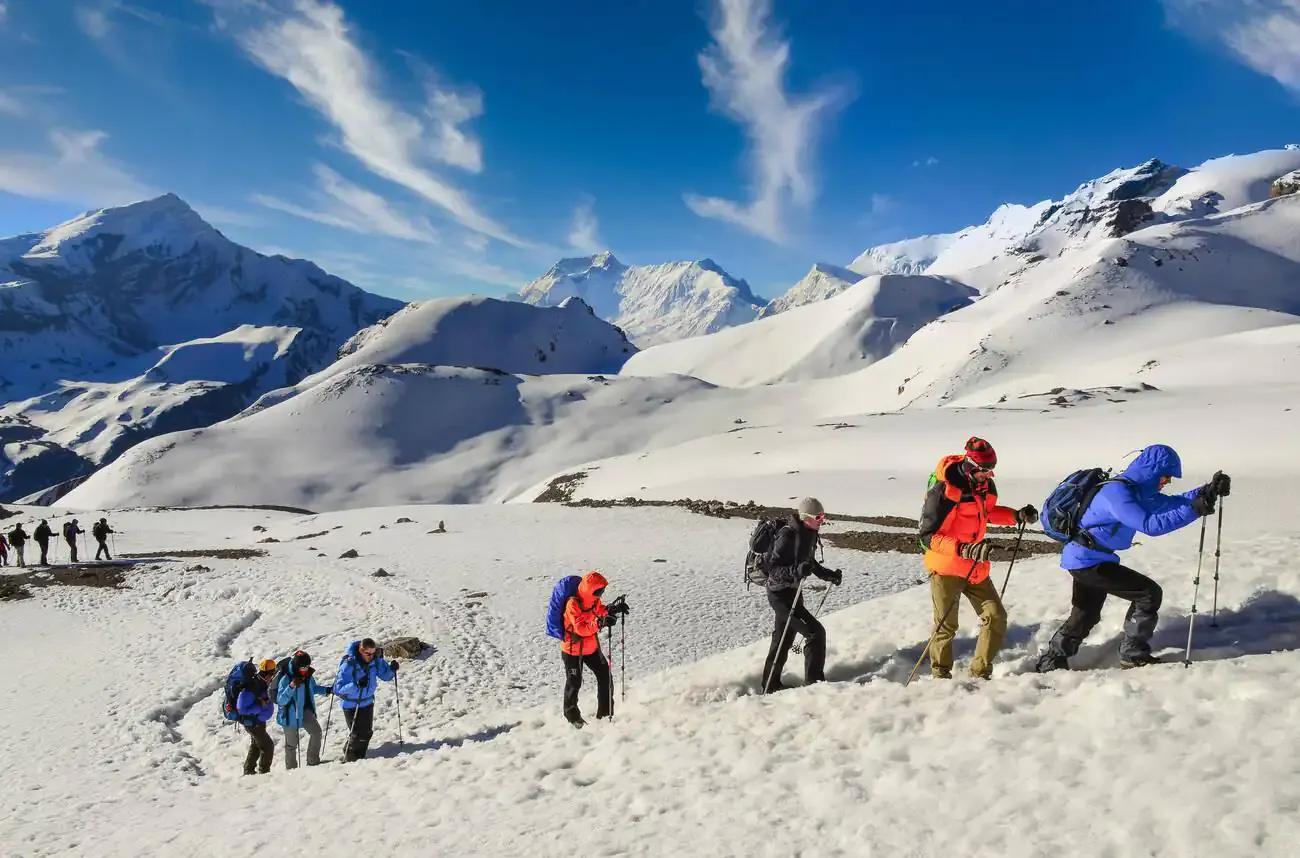
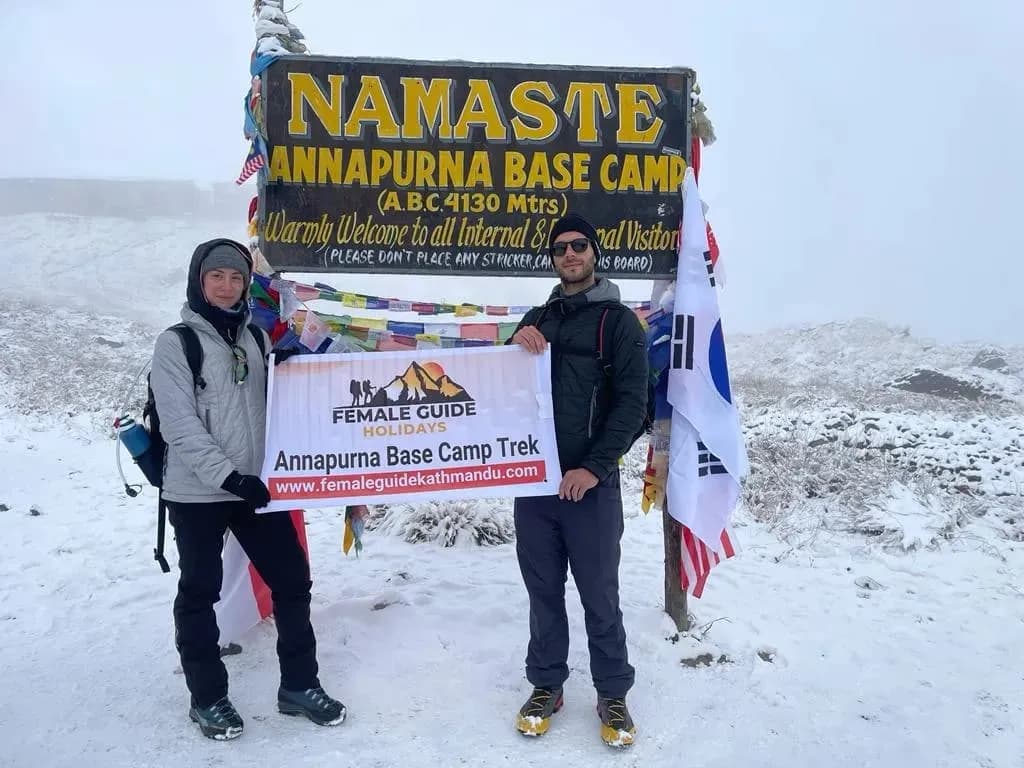
Annapurna Circuit Trek -18 days, is a highly renowned adventure in Nepal, known for its stunning scenery and diverse culture. This 18-day trek takes you around the Annapurna Himal, a range entirely located within Nepal. The trek is considered as one of the most fascinating and popular trekking routes in the world. The Annapurna region, is often described as the most happening incentive destination in Nepal, where the trekking experience has been widely recognized as a paradise for nature lovers. The area is home to a diverse range of ethnic groups, offering spectacular and majestic views of the white Himalayas such as Annapurna, Dhaulagiri, and Machhapuchhre.
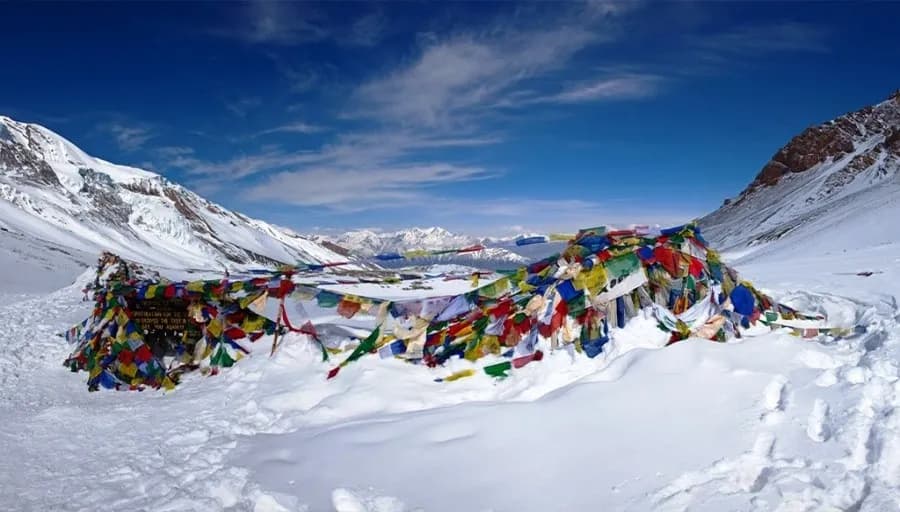
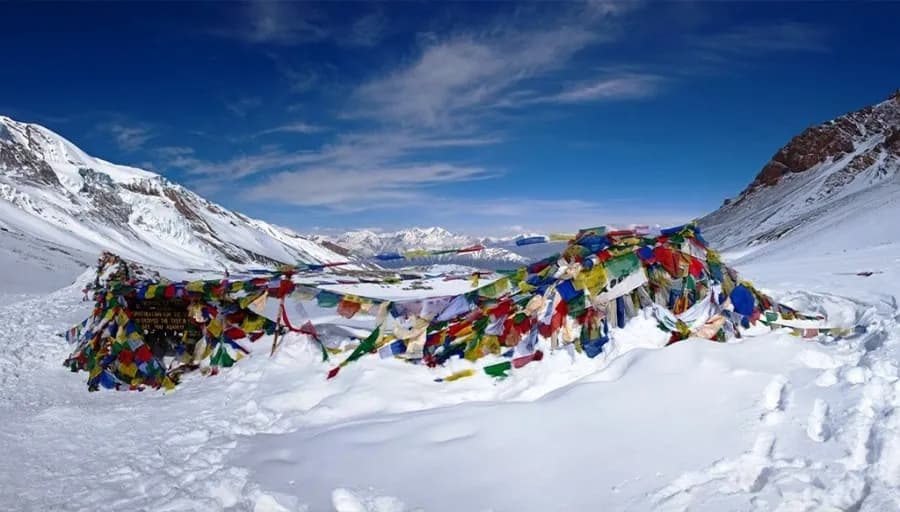
The journey begins in Besi Sahar and follows the Marsyangdi River, offering breathtaking views of Manaslu and Himal Chuli to the east. Along the way, encounter a wide range of terrain and culture, from lush green foothills with pretty terraces and picturesque villages to barren, Tibet-like landscapes, deep forested gorges, and the high Thorung-La pass.
Whether you’re an experienced trekker or a first-time adventurer, this 18-day trek promises an unforgettable journey that will leave you with a deep appreciation for the beauty and culture of Nepal. Be a part of this trek with Female Guide Holidays.
Entry and Permits for Annapurna Circuit Trek – 18 Days:
The following permits are required for trekking to Annapurna Circuit Trek:
- Upper Mustang Restricted Area Permit for all foreigners: US $500 per person for the first
10 days and US $50 per person per day thereafter.
- ACAP entry permit fee for foreigners: 3,000 NPR (Approx. US $30)
- ACAP entry permit fee for SAARC nationals: 200 NPR
TIMS Permit :
- NRP 1,000 per person for organized treks through an agency
- NRP 2,000 per person for independent trekkers (going without a guide or porter)
You won’t have to worry about waiting for permits since the company or our guides will take care of everything.
You must submit the following documents and data to get these permits:
- Copy of your passport
- 2 Passport-sized photos
- Dates when your trek starts and ends
- Itinerary/Route
- Entry and exit points
- Emergency Contact Information (local and home country)
- Travel Insurance Details
Meals and Drinking Water during Annapurna Circuit Trek – 18 Days:
In popular trekking areas like Annapurna, Everest, Langtang, and Manaslu have a menu system with different ethnic cuisines foods as well as western meals, but some places provide you with typical Nepali meals which are different from international meals, these meals are prepared by the local supplement, every tourist lodge and tea house has a well-trained cook basically attention to clean, hygienic, fresh, and delicious foods, every lodge has safe drinking water or mineral water. If you buy water purification tablet from Kathmandu you can take water from the tap and purify it by yourself, this will be cheaper and control plastic pollution as well.
Accommodation:
You will find local accommodations in the form of trekking lodges and teahouses, which are situated every hour or so along the trail. These accommodations provide basic facilities such as food, electricity, and clean rooms. The rooms generally have twin sharing beds and a single bed, with good quality mattresses that reduce the weight of your backpack. You can expect a hygienic and comfortable atmosphere at these accommodations. The dining rooms usually have a central heating system that uses firewood to keep you warm and cozy during your stay. This is also a great place to rest and connect with other travelers by sharing your stories. Additionally, campsites are available along the trail for those who want to experience camping outdoors.
Best Time to Visit?
The best time to go on Annapurna Circuit Trek is during autumn and spring. The months of September, October, November, March, April, and May are the best time to visit as the weather conditions are better for exploring the high mountain terrain with good visibility.
During autumn, the weather is clear and warm, making it perfect for trekking on high Himalayan terrains. In spring, from March to May, the landscape changes with blooming trees of Rhododendron, mixed with Confers, Oaks, Orchids, and ferns, along with colorful wildflowers, making the region look stunning.
The monsoon season, with harsh weather conditions, is usually avoided by trekkers. The winter season, with heavy snowfall, covers most of the trail, making it challenging to access higher grounds in the region.
Travel Insurance:
Travel insurance is required for all clients engaging in any activity. We strongly urge you to obtain a complete insurance plan from reputable insurance.
Passport and Visa:
Every client must have a valid passport from the return date with a 6-month prior validity by the Nepalese consulate in your country or the immigration office at Tribhuvan International Airport in Kathmandu.